
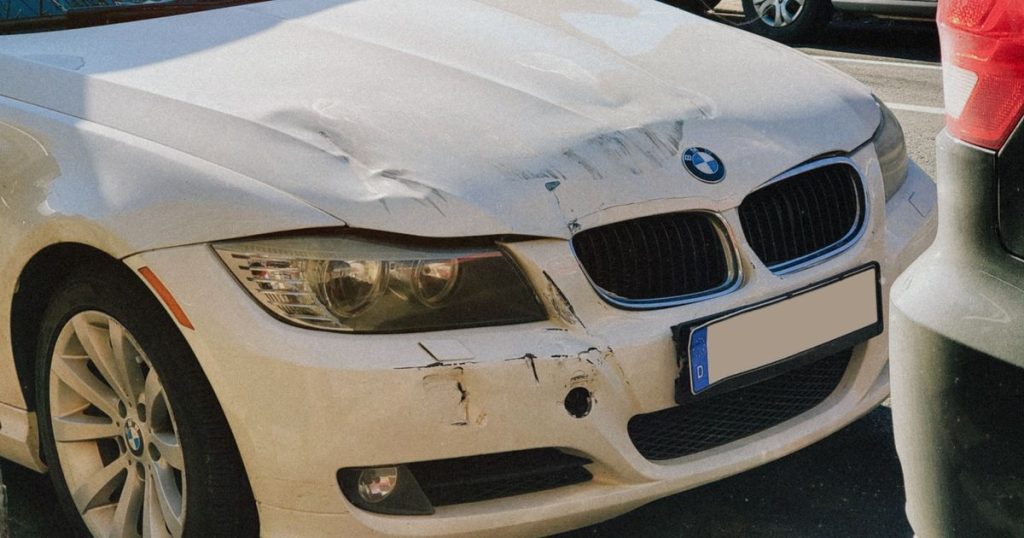
A driver hits you on a Los Angeles street and speeds off before you can catch the license plate. Most people assume that means no one will pay for their injuries, and that assumption is often wrong. If you carry uninsured motorist coverage, your own policy may cover a hit-and-run. But California law sets three time limits for that claim: 24 hours, 30 days, and two years. Missing any one of them can give the insurer a reason to deny the claim.
The short answer: report the crash to the police within 24 hours, give your insurer a sworn statement within 30 days, and take formal action on the claim within two years of the crash. This guide explains each step in plain words.
Why a Hit-and-Run Can Still Be Covered
California Insurance Code section 11580.2 requires every auto liability policy sold in the state to include uninsured motorist coverage, which pays for your injuries when the driver at fault has no insurance. You can only lose that coverage if you signed a written agreement with your insurer to remove it or lower it.
The same law treats a driver who cannot be found as an uninsured driver. In other words, a hit-and-run driver is handled much like a driver with no insurance. That is why your own policy, not the missing driver’s, is often the place to start.
If you want to know how coverage works when the other driver does have a small policy, our post on what happens when the other driver has $30,000 in coverage covers that question.
The Physical Contact Rule for Unknown Drivers
Section 11580.2 adds a condition when the driver is unknown. Your injury must have come from physical contact between the other car and you, or between the other car and the car you were in.
That rule matters most in “phantom driver” crashes. Say a car swerves into your lane, you jerk the wheel to avoid it, and you hit a pole, but the other car never touches you. Under the plain words of the law, that crash may not count as a hit-and-run for uninsured motorist purposes when the driver is never found. Each case depends on its own facts, so it is worth writing down exactly what happened while you still remember it.
The rule protects people on foot too. The statute covers contact between the car and “the insured,” so a pedestrian with uninsured motorist coverage on their own auto policy may be covered when a driver hits them and leaves.
Deadline One: Report the Crash Within 24 Hours
The law requires that you, or someone acting for you, report the crash within 24 hours. Where you report depends on where the crash happened:
- Inside a city, report it to that city’s police department. In the City of Los Angeles, that means the LAPD.
- In an unincorporated area, report it to the county sheriff or to the local California Highway Patrol office.
Many people skip this step because they are in pain, at the hospital, or think a report will not help. But the statute ties coverage for an unknown driver to this report. If you are too hurt to call, a family member or friend can report it for you, because the law allows “someone on his or her behalf” to do it.
Once a report exists, ask for a copy. Our guide on how to get your CHP or LAPD crash report in Los Angeles walks through that process.
Deadline Two: A Sworn Statement to Your Insurer Within 30 Days
Within 30 days after the police report, the law requires a written statement under oath filed with your insurer. The statement says you have a claim against a person whose identity cannot be found, and it sets out the facts of the crash.
Your insurer may send its own form for this. Read it closely, answer only what it asks, and keep a copy of everything you send, along with a note of the date you sent it and how you sent it.
Deadline Three: Formal Action Within Two Years
This is the deadline people most often miss. Under section 11580.2, subdivision (i), the claim fails unless one of these three things happens within two years from the date of the crash:
- A lawsuit for your injuries is filed against the uninsured driver.
- You and your insurer reach an agreement on the amount owed.
- You formally start arbitration by notifying your insurer in writing, sent by certified mail, return receipt requested.
Talking with an adjuster, sending medical bills, or getting a claim number does not stop this clock by itself. Only one of those three steps does.
The law gives some protection here. If your claim is pending and you do not have a lawyer, your insurer must tell you in writing about the time limit at least 30 days before it runs out. If the insurer does not send that notice, the time limit is extended for 30 days from the date the notice is actually given.
What to Do in the First Week After a Hit-and-Run
Evidence of a hit-and-run disappears fast. These steps can help protect your claim:
- Call the police and make a report, even if the damage looks small.
- Write down the time, the place, the direction the other car went, and any part of the plate you saw.
- Photograph your car, any paint transfer, broken parts left at the scene, and your injuries.
- Ask nearby businesses and neighbors whether their cameras caught the crash, since many systems record over old video within days.
- Get the names and phone numbers of anyone who saw it.
- Tell your own insurer and ask for the uninsured motorist claim forms.
- Get medical care and keep every record and bill.
Common Questions About Hit-and-Run Claims in Los Angeles
What if police find the driver later?
If the driver is found and has insurance, the claim may shift to that driver’s insurer. If the driver is found and has no insurance, your uninsured motorist coverage may still apply. Either way, keep your police report number and your insurer’s claim number somewhere safe, because both will come up again.
I was a passenger in a friend’s car. Whose policy pays?
The answer depends on the wording of each policy involved, including your friend’s policy and any policy you have yourself. Ask each insurer in writing whether uninsured motorist coverage applies to you.
Does it matter if I did not report the crash within 24 hours?
It can. For an unknown driver, the statute lists the 24-hour report as a condition of coverage. If the report was late, gather everything that shows why, such as hospital records, and get advice before you give up on the claim.
Is arbitration the same as going to court?
No, they are different. Uninsured motorist claims in California are usually decided by arbitration, a private hearing, instead of a jury trial. Once started, the law says the arbitration generally must be finished within five years.
When to Call Mines Law Firm
We handle auto accident injury claims, and are accepting clients for those. If you are injured in an auto accident, that is when you should call us at 888-700-0093.
ATTORNEY ADVERTISING. This article is for general information only and is not legal advice. Reading it does not create an attorney-client relationship. Every case depends on its own facts, and prior results do not guarantee a similar outcome. Responsible attorney: Jasmine Mines (State Bar No. 331135), Mines Law Firm, 468 N. Camden Drive, Suite 200, Beverly Hills, CA 90210.