
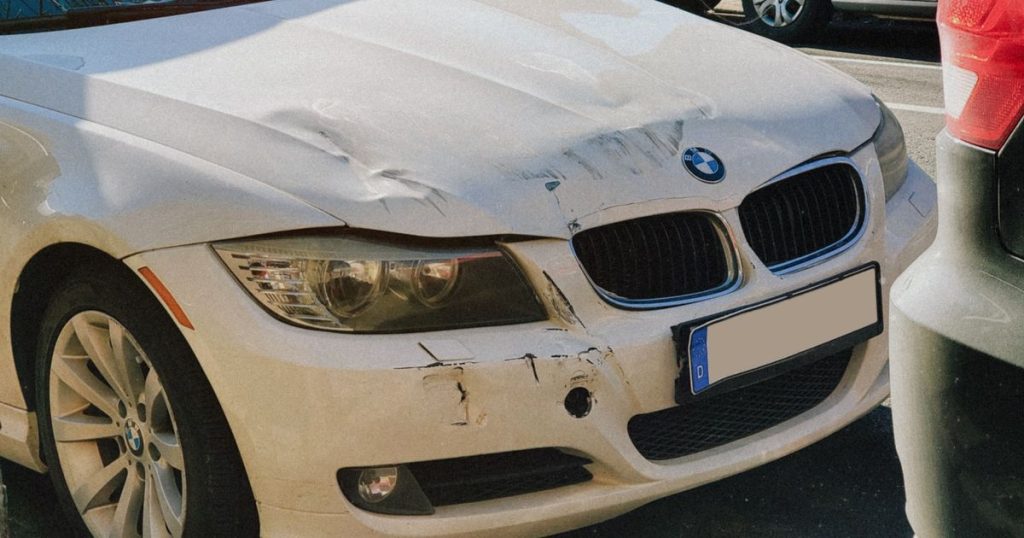
You were hurt in a crash that was not your fault. Then the other driver’s insurance company told you the policy limit is $30,000. Your medical bills, lost wages, and future treatment may already be close to that number, so what happens now?
The short answer: the other driver’s limit is often not the end of the road. In California, the coverage on your own auto policy may pay more, but only if you have it and only after certain steps happen in order. Here is what the law says and what to check first.
California’s Minimum Car Insurance Limits Went Up in 2025
California sets a floor for how much liability insurance a driver must carry. Liability insurance pays for harm the driver causes to other people. Under Vehicle Code section 16056, policies issued or renewed on or after January 1, 2025, must carry at least:
- $30,000 for injury or death to one person in one crash.
- $60,000 for injury or death to two or more people in one crash.
- $15,000 for damage to property, such as your car.
Before 2025, the floor was $15,000, $30,000, and $5,000. The same statute says the minimums go up again for policies issued or renewed on or after January 1, 2035, to $50,000, $100,000, and $25,000.
The increase helps injured people, but $30,000 is a legal minimum, not a measure of what a serious injury actually costs. Drivers are free to buy more coverage, and many choose not to.
What a Policy Limit Means for Your Injury Claim
A policy limit is the most the other driver’s insurance company has agreed to pay under that policy. If one person is hurt, the per-person limit applies. If several people are hurt in the same crash, they may have to share the per-crash limit.
The driver who caused the crash can still be legally responsible for more than the policy limit. Whether that extra amount can ever be collected is a separate question, and the answer depends on facts about that driver. That is why the next coverage to look at is your own.
Your Own Policy May Have Underinsured Motorist Coverage
Underinsured motorist coverage, often called UIM, is coverage you buy on your own auto policy. It protects you when the driver who hurt you has some insurance, but not enough. It is usually sold together with uninsured motorist coverage, which applies when the other driver has no insurance at all.
Under Insurance Code section 11580.2, subdivision (p), the other car counts as underinsured when its liability insurance is less than the uninsured motorist limits on your policy. So the numbers on both policies matter. If your own limit is $30,000 and the other driver also has $30,000, the other car is not underinsured under that definition.
The same statute sets the lowest amount an insurer must offer for this coverage at $30,000 per person and $60,000 per crash. Many people choose higher limits when they buy or renew their policy. Your declarations page, which is the summary sheet at the front of your policy, lists what you have.
How UIM Coverage Works, Step by Step
UIM coverage does not pay first. Subdivision (p) sets an order of events:
- The at-fault driver’s liability coverage must be used up. The statute calls this being exhausted, which means the limit was paid through a settlement or a judgment.
- You must give your own insurer proof that the payment was made.
- Your UIM claim is then reduced by what you already received from the person responsible.
Here is how the reduction works in plain numbers. If your UIM limit is $100,000 and the other driver’s insurer paid you $30,000, the most your UIM coverage can pay is $70,000. It is not $100,000 on top of the first payment.
This order is why timing and paperwork matter so much. In a UIM claim, your own insurance company is on the other side, and it will evaluate your injuries, treatment, and bills the way any insurer would.
Report the Crash to the DMV Within 10 Days
Separate from any insurance claim, the California DMV says each driver in a crash must file a Report of Traffic Accident Occurring in California, called an SR-1, within 10 days if anyone was hurt or killed, even slightly, or if the crash caused more than $1,000 in property damage. This applies whether or not you caused the crash.
The DMV also warns that a driver who is in a crash without proper insurance can lose the right to drive for up to four years, no matter who was at fault. A police report from the CHP or LAPD does not take the place of the SR-1. Our guide on getting a CHP or LAPD crash report in Los Angeles explains that separate step.
Three Things to Check This Week
- Ask the other driver’s insurer, in writing, to confirm the bodily injury limit on the policy.
- Find your own declarations page and look for uninsured and underinsured motorist coverage and the limits.
- Keep every medical bill, lien notice, and record of missed work in one place, with dates.
If another company’s vehicle was involved, such as a rental car, the rules about who pays can be different. Our posts on who pays after a rental car crash and third-party injury claims in California cover those questions.
Common Questions About Low Policy Limits
Does the new $30,000 minimum apply to every driver right now?
The statute applies the higher minimums to policies issued or renewed on or after January 1, 2025. Most auto policies renew every six or 12 months, so most policies in force today should carry at least the new minimums. The actual limit in your crash depends on the other driver’s policy.
Can I accept the other driver’s policy limit and still make a UIM claim?
Subdivision (p) expects the at-fault coverage to be paid before UIM applies. The statute also has rules about settling without your insurer’s written consent. Read your policy and get advice before you sign any release, because the wording of a release can affect your own coverage.
What if the other driver had no insurance?
That is where uninsured motorist coverage on your own policy may apply, if you have it. The same statute, Insurance Code section 11580.2, governs that coverage too.
When to Call Mines Law Firm
We handle auto accident injury claims, and are accepting clients for those. If you are injured in an auto accident, that is when you should call us at 888-700-0093.
ATTORNEY ADVERTISING. This article is for general information only and is not legal advice. Reading it does not create an attorney-client relationship. Every case depends on its own facts, and prior results do not guarantee a similar outcome. Responsible attorney: Jasmine Mines (State Bar No. 331135), Mines Law Firm, 468 N. Camden Drive, Suite 200, Beverly Hills, CA 90210.